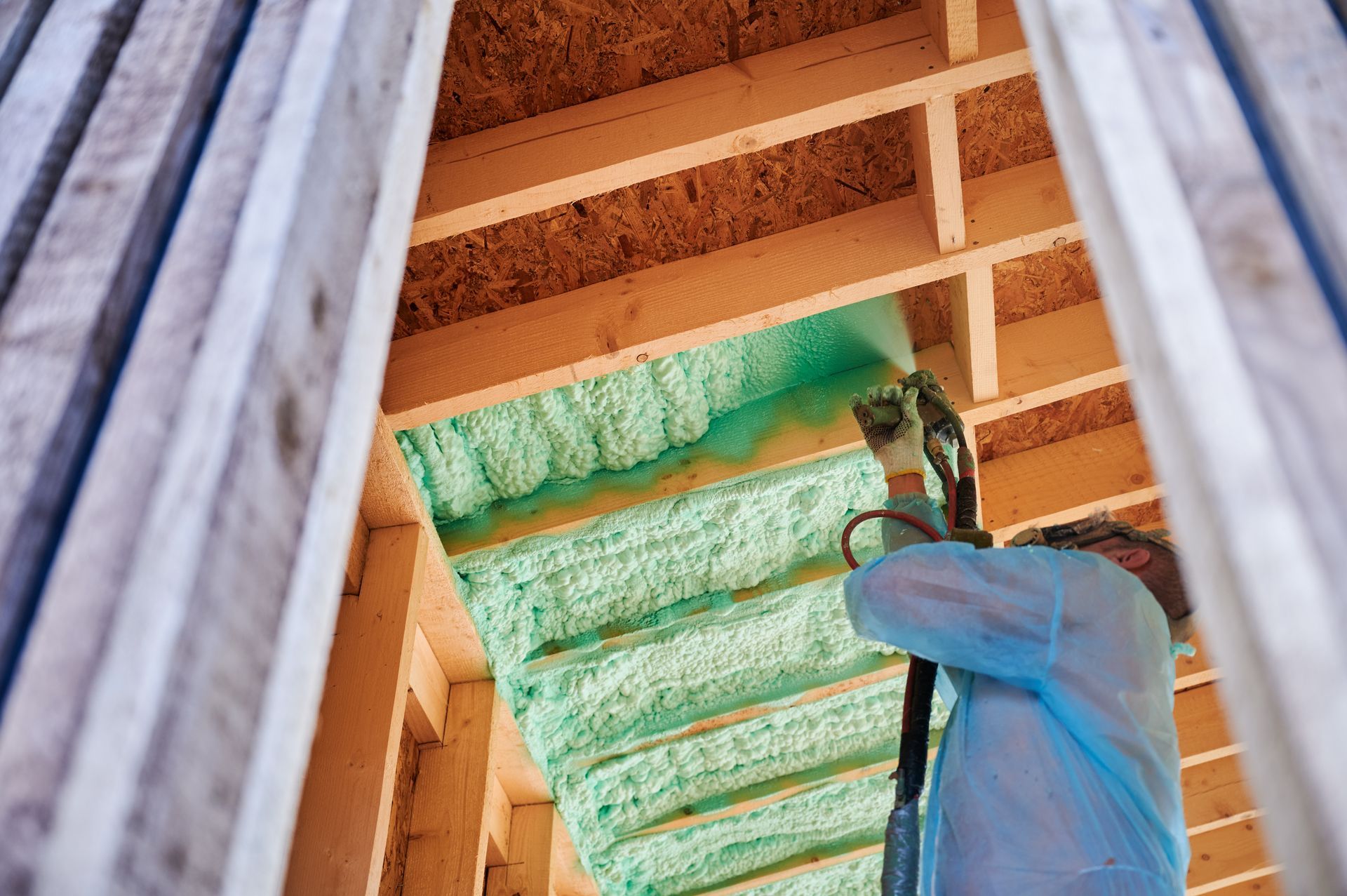
Many older homes in Launceston, TAS, lose a surprising amount of warmth through their floors. At Insulation Solutions Tasmania, we see this regularly in homes built more than a few decades ago, where little to no underfloor insulation leaves families dealing with cold floors, persistent draughts, and rising energy bills every winter. In this post, we cover the key signs that your home may benefit from underfloor insulation for Launceston, TAS, and what each warning sign could mean for your comfort and budget. If you would like to speak with our team straight away,
call us on 0439 555 838 for a free quote.
Why Launceston Homes Are Particularly Vulnerable
Launceston's climate creates real challenges for underinsulated homes. The city sits in a river valley between the Tamar and North Esk rivers, meaning cold air settles low and temperatures regularly drop below five degrees Celsius overnight during winter. Many homes in established suburbs like Prospect, Norwood, and Trevallyn were built on suspended timber floors, which are common across northern Tasmania and allow cold air to travel freely through sub-floor cavities. Without a proper thermal barrier underneath, that cold air rises directly into your living space. For many households here, keeping the floor well insulated is not simply a comfort upgrade. It is a practical necessity.
Six Warning Signs Your Home Needs Better Underfloor Insulation
Poor underfloor insulation often reveals itself through clear, everyday signs. Here is what to look out for in your home.
Cold Floors Even When the Heating Is Running
If your floorboards feel noticeably chilly underfoot even after the heater has been running for some time, cold air from the sub-floor cavity is likely working its way up through the timber. This is especially common in older character homes across suburbs like Invermay and East Launceston, where suspended floors were standard construction practice.
Draughts at Floor Level
Draughts along the base of walls, around skirting boards, or near door frames at floor level may point to gaps in the sub-floor area. Even if your doors and windows are well sealed, a draught at floor level often suggests the problem lies beneath your home rather than at the walls.
A Damp or Musty Smell in Living Areas
A persistent damp or musty smell can indicate moisture moving up from the sub-floor into your living spaces. Homes in low-lying parts of Launceston, particularly near the Tamar River, may be more exposed to ground moisture. Without an insulation barrier, moisture from the soil can evaporate upward and affect indoor air quality. You may also notice moisture marks on skirting boards or around floor edges.
Condensation on Windows and Walls
Condensation forms when warm indoor air meets cold surfaces. If it appears regularly on your windows or lower walls during winter, your home may be struggling to maintain a consistent temperature. An uninsulated sub-floor can contribute to that imbalance and is sometimes part of a broader solution for managing condensation during Launceston's cooler months.
Higher Than Expected Energy Bills
If your energy bills seem high relative to how comfortable your home feels, heat loss through the floor may be a factor. Without adequate underfloor insulation for Launceston, TAS, heaters and heat pumps often work harder to maintain a set temperature. Over a Tasmanian winter, that extra load can add up significantly.
Uneven Temperatures Between Rooms
Rooms that feel noticeably colder than others, despite similar heating, can suggest inconsistent insulation coverage. Ground floor rooms are most affected, especially those positioned over a larger section of exposed sub-floor.
What Should You Do If You Notice These Signs?
A professional inspection is the best next step. It can confirm whether your sub-floor is uninsulated, partially insulated with degraded materials, or affected by moisture issues that need addressing alongside insulation work. Tackling the problem early may help prevent more significant damage to floor timbers and indoor air quality. You can learn more about
underfloor spray foam insulation installation to understand what an upgrade typically involves.
Is Underfloor Insulation Suitable for Older Homes?
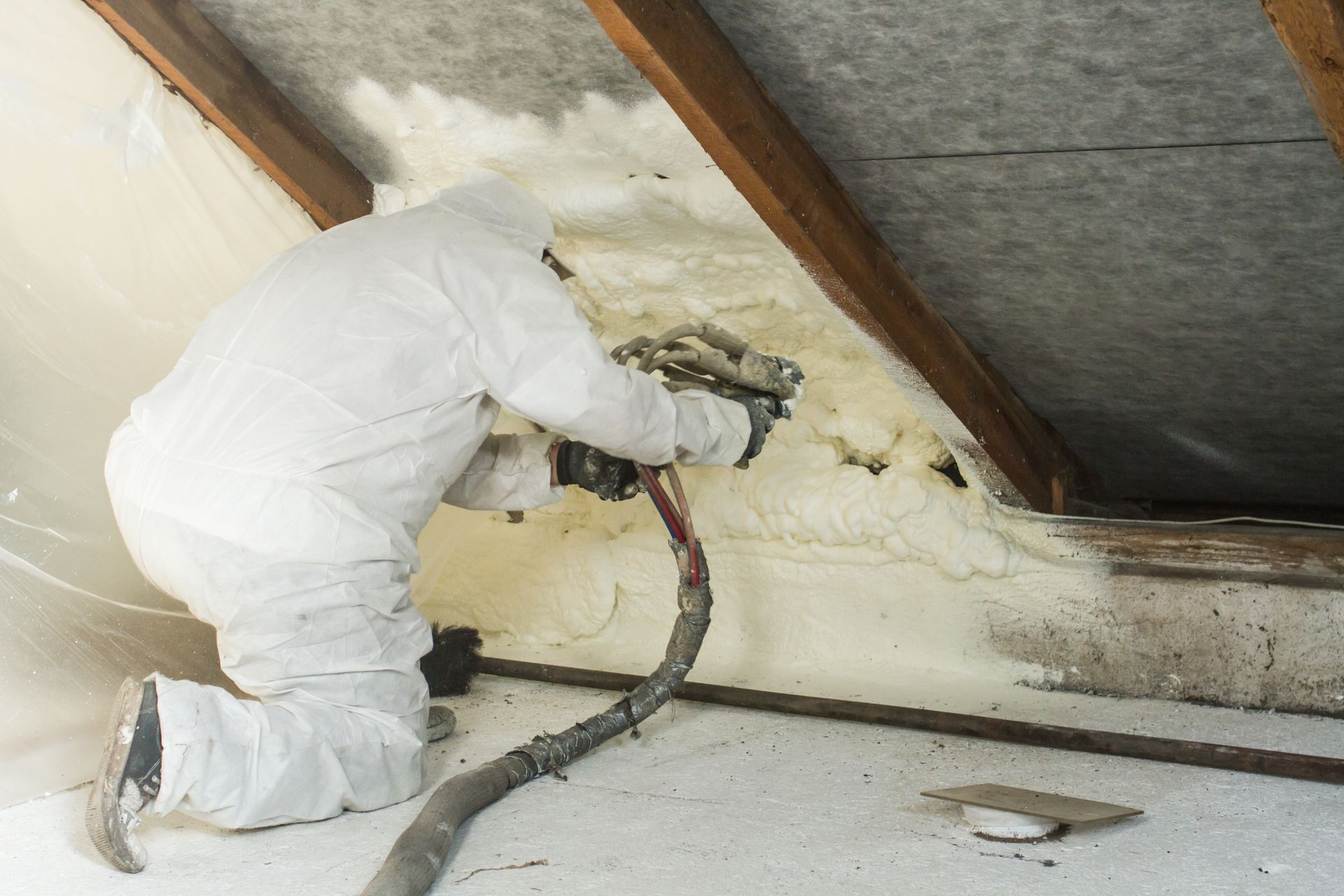
In most cases, yes. Retrofitting underfloor insulation for Launceston, TAS, can often be completed without major disruption to the interior. Spray foam insulation is particularly well suited to suspended timber floors because it can be applied directly from the sub-floor cavity, sealing gaps and providing a thermal barrier at the same time. Older homes that have never been insulated at floor level may see meaningful improvements in comfort following a retrofit upgrade.
How Do I Know If My Sub-Floor Has Existing Insulation?
You can often check by looking into the sub-floor cavity through an access hatch or vent, though our team can carry out a more thorough assessment. If existing insulation appears damaged, sagging, or water affected, replacement is generally recommended over repair.
Get Expert Advice on Underfloor Insulation for Your Launceston Home
At Insulation Solutions Tasmania, we specialise in underfloor insulation for Launceston, TAS, and surrounding northern Tasmanian areas. Our team can assess your sub-floor, recommend the most suitable solution for your home's construction and layout, and provide a free, no obligation quote.
Call 0439 555 838 or
get in touch today to arrange your inspection. You can also
find and review us on Google Maps.